Hurtige Fakta
Flea markets in Germany are changing fast. Some legendary names still draw thousands every weekend. Others quietly disappeared or were never flea markets to begin with. If you’re planning your time (or suitcase space) wisely, you need what’s actually worth visiting now—not a recycled list.
This guide cuts through the noise. We keep the markets that are verified, active, and relevant, correct common misconceptions, and explain what you’ll really find when you show up.
Introduktion til loppemarkeder i Tyskland
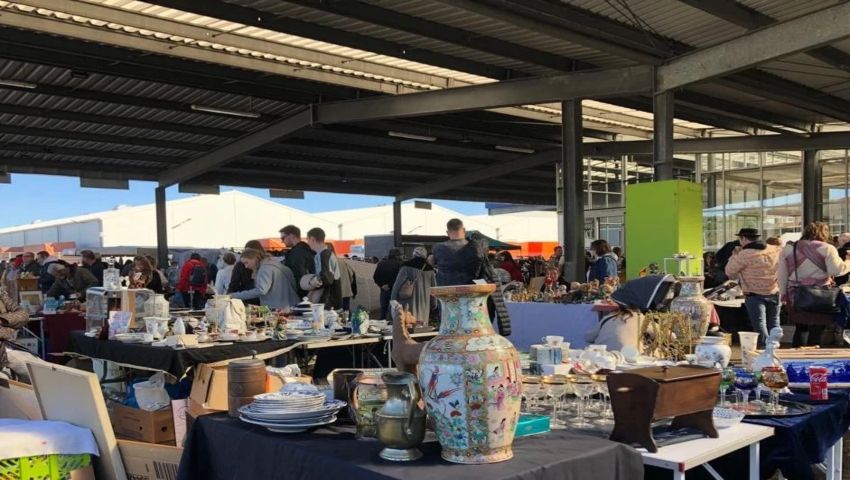
Germany’s flea markets are less about chaotic bargain hunting and more about structured discovery. Expect clear rules, serious collectors, and sellers who know exactly what they’re offering.
The biggest shift? Fewer casual markets, more professionalized ones. Rising city regulations and demand for authenticity mean the surviving markets are better curated—but also more competitive.
Radschlägermarkt Düsseldorf
If there is one flea market that still earns its reputation, it’s Radschlägermarkt. With around 500 vendors, it’s one of the largest verified flea markets still operating regularly in Germany.
What’s different here: sellers are experienced, pricing is informed, and truly bad items don’t last long. This isn’t a garage sale—it’s a hunting ground for people who know what they’re looking at.
2026 practical details:
- Location: Metro Düsseldorf, Walter‑Eucken‑Straße
- Schedule: Every second Sunday
- Time: 11:00–17:00
- Visitor parking: €5 per day
- Optional vendor parking: €12 per day
Hidden gem tip: arrive 30 minutes before opening and walk the outer rows first. Dealers with vans often discount bulky furniture early to avoid hauling it back.
Hamburg DOM (Not a Flea Market—But Worth Knowing)
The Hamburg DOM is often mislabeled as a flea market. It isn’t. It’s Germany’s largest funfair—and one of the biggest in Europe.
Why mention it here? Because travelers regularly plan for “market shopping” and end up surprised. DOM is about rides, food stalls, and atmosphere—not antiques or vintage finds.
What you should know:
- Entry is free
- You pay per ride or food stand
- Held multiple seasons per year
Street-smart advice: go hungry, not with shopping expectations. DOM is perfect for an evening out, not for sourcing collectibles.
Munich Viktualienmarkt (Food Market, Not Flea Market)
Viktualienmarkt is frequently described as a flea market. That’s inaccurate. It’s Munich’s historic food market—and one of the city’s daily rituals.
You’ll find fresh produce, cheese, meat, baked goods, and regional specialties. What you won’t find: second‑hand furniture or vintage collectibles.
Why it still belongs on your list: it shows how Germans shop day‑to‑day. Grab lunch, people‑watch, and reset before heading to actual flea markets elsewhere.
Hours: Monday–Saturday, 08:00–20:00
Tips til shopping på loppemarkeder i Tyskland
German flea markets reward preparation more than impulse.
- Cash still matters. Many sellers skip cards entirely.
- Know your categories. Dealers specialize—mixing antiques with junk usually signals weak pricing.
- Negotiate politely. A calm offer beats aggressive bargaining every time.
- Inspect carefully. Returns are rare. What you buy is yours.

Konklusion
Germany’s flea market scene is smaller than it once was—but stronger where it counts. The markets that remain are better organized, more authentic, and more demanding of buyers.
If you focus on verified locations like Radschlägermarkt and understand the difference between flea markets, food markets, and festivals, you’ll shop smarter—and go home with pieces that actually matter.
Top 10 billigste supermarked i Tyskland 2023
Shopping smart doesn’t stop at flea markets. If you want to stretch your budget even further, knowing where locals buy groceries makes a real difference.