Quick Facts
- Busy households managing grocery logistics
- Subscription service evaluators
- Budget-conscious delivery users
- US food delivery market hit $429.9 billion with 22% growth in 2025
- DoorDash dominates restaurant delivery with 61% US market share
- Instacart settled $60 million with FTC over deceptive fee practices - always check final totals
- Walmart offers in-store pricing parity while most apps add markups
Choose your ecosystem wisely: Walmart for budget bulk buying, Amazon Fresh if already a Prime member, and DoorDash for restaurant delivery dominance. Watch for hidden service fees that can add 15% to orders.
Convenience is no longer a luxury; it is a $429.9 billion infrastructure. By late 2025, the US food delivery market surged by nearly 22% in a single year. But with growth comes complexity. The days of downloading ten different apps and hunting for promo codes are largely gone. Today, the market has consolidated into a few massive ecosystems.
We aren’t just listing apps here. We are analyzing which ecosystemsPrime, Uber One, or DashPassactually deserve your money as we head into 2026. Here is the reality of ordering food in the USA right now.
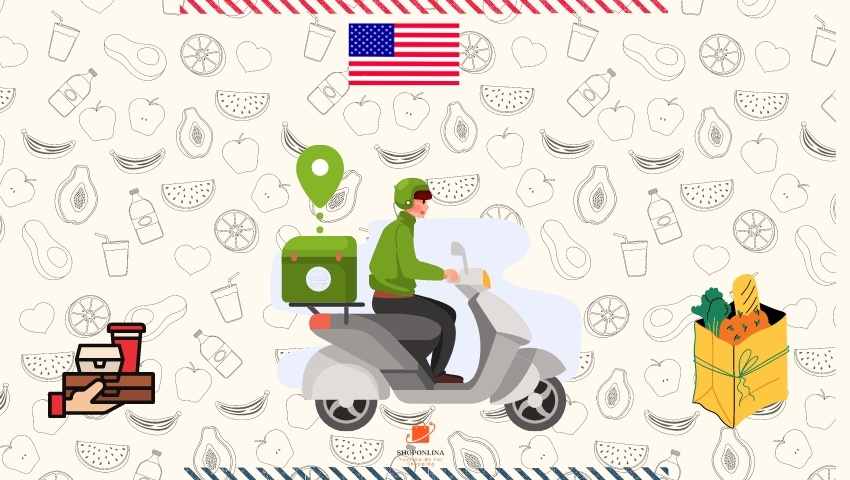
The State of US Delivery: Reporting vs. Reality
The premise used to be simple: you didn’t want to cook. Now, it is about supply chain management for your household. While projections see the industry growing steadily through 2033, the immediate reality for 2025 is dominance by a few key players.
If you are looking for Online Shopping Sites Georgia or seeking specific regional options, the landscape has shifted. It is less about “who delivers” and more about “who controls the fees.”
The Practitioner’s Warning: Impulse buying is actually easier online. Apps are designed with algorithmic upsells (“Add fries for $2?”) that mimic the checkout aisle. To protect your budget, stick to a list, regardless of the app.
Top Grocery Delivery Apps: The “Big Basket” Wars
- Walmart
Walmart remains the volume leader. They leverage their massive physical footprint to keep prices identical to in store optionsa rarity in this industry. It is the best option for bulk buying frozen goods, pantry staples, and household necessities without the markup seen on other platforms.
Pro Tip: Look for “Rollbacks.” Unlike other apps that hide discounts, Walmart aggressively pushes sale items to clear inventory.
- Instacart
Instacart is the veteran of the space, but you need to watch the fine print. As of December 2025, an Instacart+ membership costs $99/year (or $9.99/month). This grants you free delivery on orders over $35 and includes perks like Peacock Premium.
The Cautionary Note: In late 2025, Instacart settled for $60 million with the FTC regarding allegations of deceptive “free delivery” marketing and non transparent service fees. Always check your final total; service fees can still creep up to 15% depending on the order size.
- Amazon Fresh
Amazon has expanded Fresh to over 2,300 cities and towns. The major change for 2025 is accessibility. You no longer strictly need a Prime membership to shop, but it will cost you. Non Prime members pay a flat $12.99 delivery fee.
If you are a Prime member, delivery is free on orders over $100 (thresholds vary by city), or a small fee for smaller baskets. If you are already in the Amazon ecosystem, this is your frictionless option.
- FreshDirect
FreshDirect is the regional king of the Northeast. After a brief contraction, they resumed service in parts of Pennsylvania and Delaware in May 2025. However, they have confirmed they will not be returning to the Washington D. C. market. Their differentiating factor is the “short supply chain”—food spends less time on shelves and more time in transit to you.
- Shipt
Owned by Target, Shipt focuses on the “personal shopper” experience. Communication is generally higher quality here than on other platforms. If you are particular about the ripeness of your avocados, Shipt is often the safer bet, though it often requires a membership for the best rates.
Restaurant Delivery: The “Big Three” Dominance
The restaurant delivery war is effectively over, and the market has split. If you are wondering Is Interconnect Shop Legit when buying electronics, you should apply the same scrutiny to food apps. Stick to the verified giants.
- DoorDash (The Market Leader)
DoorDash isn’t just winning; they are crushing the competition. As of late 2025, they command nearly 61% of the US market. In cities like San Francisco, that share jumps to 74%.
With a market cap of $109 billion and revenue growing 24% year over-year, they have the resources to offer the fastest logistics. If you live in a suburb or a smaller city, DoorDash is likely your only reliable option. This is the default utility for most Americans.
- Uber Eats (The Global Runner Up)
Holding firmly to the #2 spot with about 26% of the market, Uber Eats thrives in major metros like Miami and NYC. They operate in over 11,500 cities globally.
The Curator’s Choice: If you travel internationally or take rides often, get the “Uber One” membership. It consolidates your ride discounts and food delivery fees into one subscription. Don’t pay for DoorDash if you are already paying Uber for rides.
- Grubhub (The Survivor)
Grubhub has evolved significantly. Recently acquired by Wonder Group in early 2025, they now sit at roughly 16% market share in specific metros. They still maintain a strong network of 415,000+ merchants. In cities like New York and Chicago (see our guide on Wholesale Markets in Chicago), Grubhub remains a cultural staple with deep restaurant relationships.
- Postmates (The Ghost Brand)
Let’s be clear: Postmates is Uber Eats. While the app still exists separately, the backend, driver pool, and merchant network are fully integrated into Uber’s infrastructure. If you see a restaurant on Postmates, it is likely on Uber Eats, often for the same price. Use whichever interface you prefer, but know they are two sides of the same coin.
- Delivery.com
This is the Swiss Army Knife of delivery. It covers food, alcohol, and notably, laundry. Operating in 2,400+ cities, their standout feature is the rewards program. You earn 20 points for every $1 spent. 5,000 points gets you a $5 credit. It’s a slow burn, but if you use them for laundry and corporate catering, the points stack up.
Beyond Food: Regional Shopping Guides
The logistics networks built for food are now powering retail. Whether you are looking for The Ultimate Guide to Shopping in California or sourcing goods elsewhere, the delivery infrastructure is the same.
If you are looking to expand your own e-commerce footprint to take advantage of these logistics, check out our guide on Amazon FBA Germany for international reach.