Hurtige Fakta
- app til levering af mad i München
- apps til bestilling af mad i tyskland
- apps til levering af mad i München
- den bedste app til levering af mad i tyskland
- levering af mad hamburg tyskland
Ordering food in Germany used to be chaotic. Too many apps, hidden fees, and services disappearing overnight. Today, the market has finally settled — and that’s good news for consumers. Fewer players, clearer pricing, and much better reliability.
This guide cuts through the noise. We focus only on food delivery apps that actually operate in Germany right now, explain what they’re good at, and where they fall short — so you don’t waste time downloading dead apps.
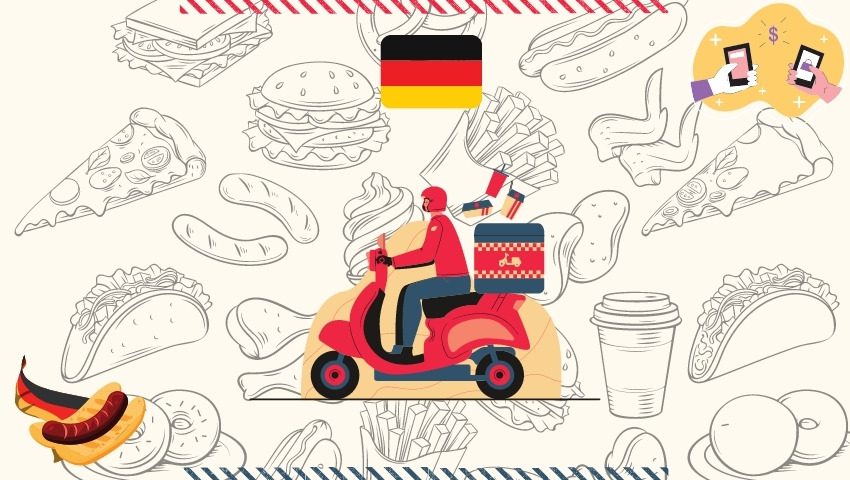
Madleveringsapps i Tyskland
Food delivery in Germany now falls into two clear categories:
- Restaurant delivery apps – cooked meals from local and international restaurants
- Grocery delivery apps – supermarkets and quick commerce
Let’s start with restaurant delivery — where speed, fees, and restaurant selection really matter.
Uber Eats
Uber Eats remains one of the strongest options in Germany’s big cities. Its edge isn’t price — it’s reach. If a restaurant offers late-night delivery or niche international food, chances are it’s on Uber Eats.
What most users don’t realize: delivery fees fluctuate heavily by demand. Ordering outside peak hours can cut your total by several euros.
- Service model: Marketplace + own couriers
- Typical user fees: Variable delivery + small service fee
- Hidden gem: Pickup orders often avoid most fees entirely
Lieferando.de
Lieferando dominates the German market — for better or worse. Almost every restaurant uses it, especially smaller local spots that don’t appear elsewhere.
As of now, Lieferando applies a 5% service fee on delivery orders (capped at €0.99). It’s small, but noticeable if you order often.
Street-smart tip: Many restaurants offer lower prices or freebies if you switch to pickup. Same kitchen, fewer fees.
- Best for: Local restaurants and smaller towns
- Weak spot: Customer support during peak hours
Grocery delivery apps in Germany
Germany’s grocery delivery market has gone through brutal consolidation. Several well-known brands shut down or merged. What’s left are fewer apps — but far better ones.
REWE Lieferservice
REWE is the safest choice for online groceries in Germany. It combines classic supermarket pricing with nationwide logistics — something most startups never managed to crack.
You can choose between home delivery or convenient pickup points, which is ideal if you commute.
- Delivery area: Most major cities (postcode check required)
- Delivery hours: Mon–Sat, 07:00–22:00
- Minimum order: €35–€60 (region dependent)
- Delivery fee: €0–€4.90
- Same-day delivery: Often available
Hidden gem: Early-morning slots are cheaper and more reliable than evening windows.
Knuspr.de (formerly Bringmeister)
Bringmeister no longer exists as a standalone service. Its operations were fully absorbed into Knuspr.de, which now focuses on premium grocery delivery.
Knuspr shines when it comes to fresh produce, organic brands, and precise delivery windows — but it’s not available everywhere.
- Best for: Quality-focused households
- Coverage: Selected metro areas only
- Trade-off: Higher average basket value
Amazon Fresh (discontinued in Germany)
Amazon Germany officially discontinued its own Amazon Fresh grocery delivery service nationwide on 14 December 2024. Fresh groceries are now offered only via partnerships (such as Knuspr) in limited regions.
If you already use Amazon regularly, it can be convenient. As a primary grocery solution, it’s hit-or-miss.
- Delivery interval: 2 hours
- Delivery fee: €3.99–€4.99 depending on membership
- Minimum order: None, but fees drop at higher totals
Reality check: Availability changes often. Always confirm service in your postcode before planning a full shop.