Quick Facts
- Budget-conscious shoppers
- Expats in the Netherlands
- Families looking to reduce grocery costs
- Dirk and Aldi are the cheapest options at 8% below market average
- Lidl has the best fruit and vegetable department among discounters with 439 stores
- Jumbo saves €1.50-€2.00 per €75 shop compared to Albert Heijn
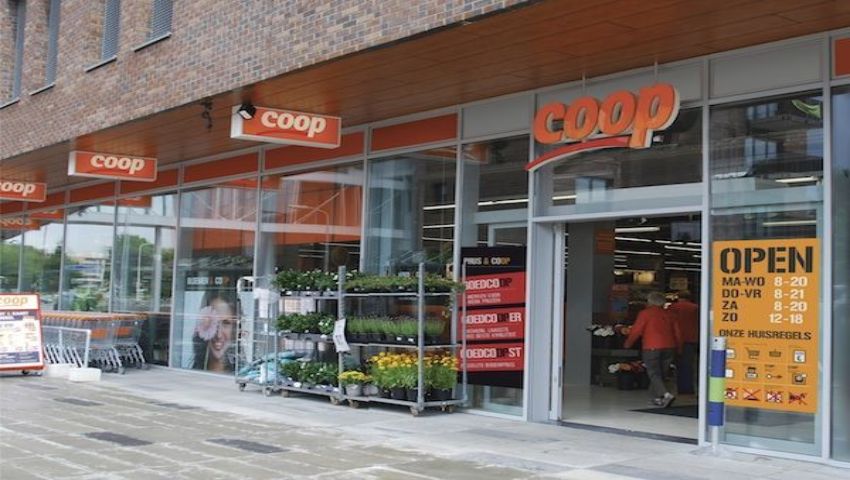
- Coop stores have merged into PLUS brand as of mid-2025
For maximum savings, prioritize Dirk or Aldi if accessible; choose Lidl for better produce selection and convenience, or Jumbo for a full-service experience at moderate prices.
Grocery shopping in the Netherlands has changed dramatically over the last few years. With inflation squeezing budgets, remaining loyal to a single premium supermarket is a luxury many can no longer afford. The difference between a smart shopping trip and a convenient one can easily amount to 10% or more of your monthly food budget.
We have analyzed the latest pricing data and market shifts to bring you a realistic, street smart guide to keeping your fridge full without emptying your bank account. Here is how the Dutch supermarket battleground actually looks right now.
The Verdict: Who is Actually the Cheapest?
According to the Consumer’s Association (Consumentenbond) price survey updated in November 2025, Dirk and Nettorama are currently the cheapest supermarkets in the Netherlands at around 8% below the market average. Aldi and Lidl follow closely at approximately 7% below average. If you are serious about saving, these chains should be your primary targets.
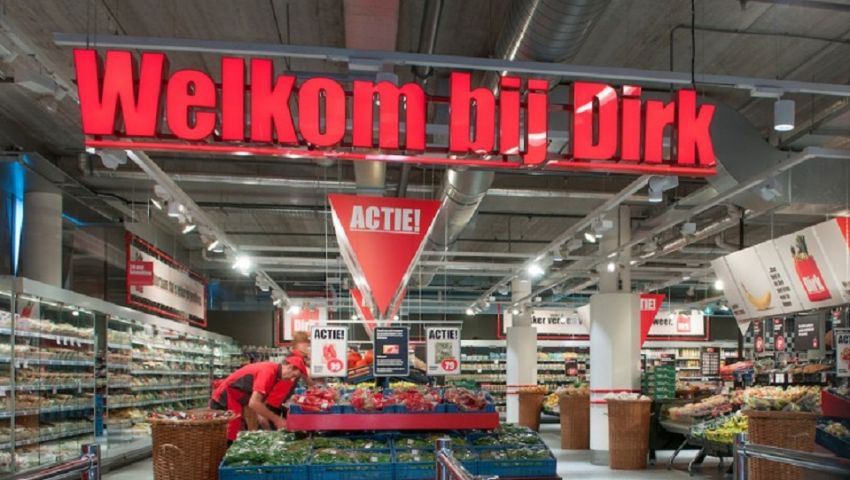
Dirk
Dirk is often the undisputed king of budget shopping in the Netherlands. Unlike the hard discounters that limit your choice, Dirk offers a wide range of A brands alongside their budget labels. You can find everything from basic necessities to household appliances here.
The Trade-off: Dirk is not on every street corner. As of December 2025, they operate approximately 129–130 stores nationwide, with recent openings in Zoetermeer and Uithoorn. While they are expanding, they don’t have the density of Albert Heijn. However, if there is one within cycling distance, the detour is financially worth it.
Aldi
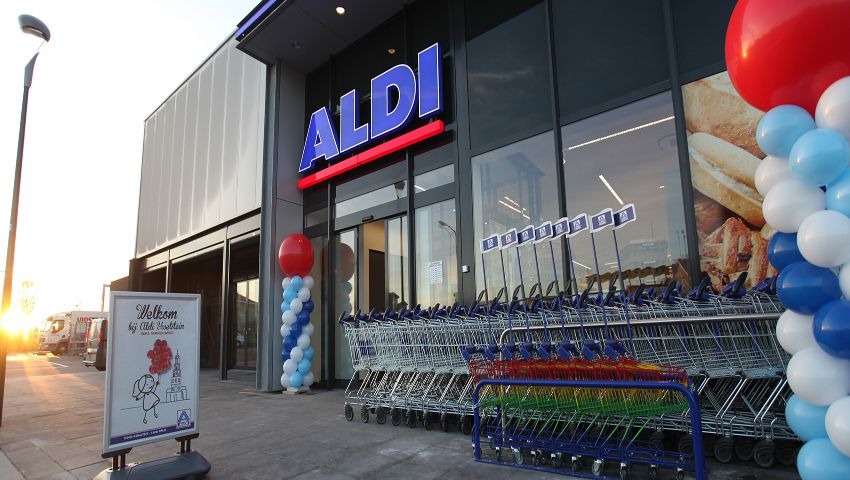
Founded by the Albrecht family, Aldi is the classic no nonsense discounter. Alongside Dirk, they sit at the top of the affordability podium. Aldi’s strategy is simple: limited assortment, high efficiency, and rock bottom prices. You won’t find twenty types of peanut butter here—you will find one or two, and they will be cheap.
While the store experience is basic, the savings are real. It is the ideal spot for stocking up on pantry staples where brand loyalty matters less than the price tag.
Lidl
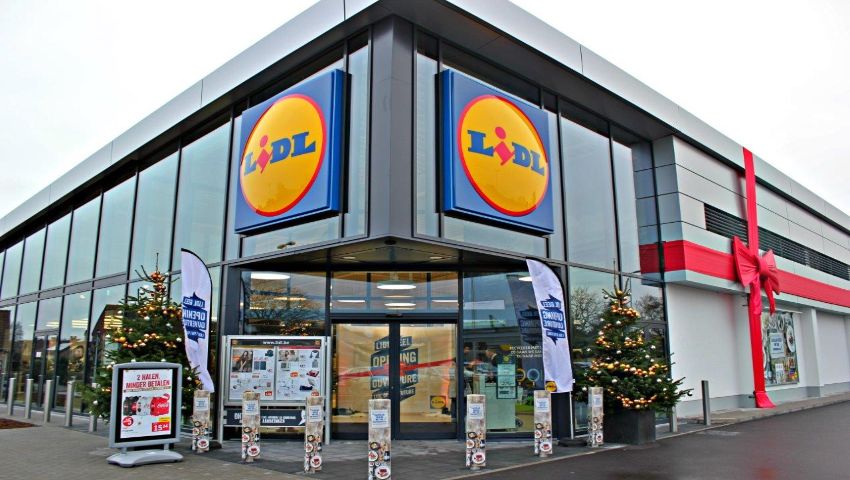
Let’s clear up a common myth: Lidl and Aldi are not the same company. They are fierce competitors with zero corporate relation. Lidl is owned by the Schwarz Group and has carved out a massive presence in the Netherlands with approximately 455–460 stores.
Why choose Lidl? While they are priced just a fraction higher than Dirk and Aldi (about 7% below market average), they are widely considered to have the best fruit and vegetable department among the discounters. Unlike the smaller chains, Lidl is everywhere. With over 10% market share, you are likely to find one nearby, making it a convenient compromise between price and accessibility.
Jumbo
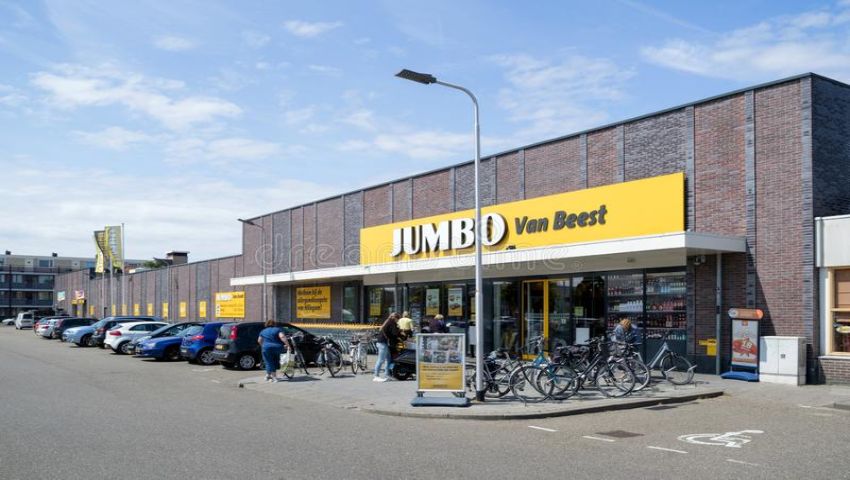
If you prefer a full service supermarket experience but find Albert Heijn too pricey, Jumbo is your middle ground. They operate on an “Everyday Low Price” strategy.
Recent tests show a standard basket of goods at Jumbo is consistently cheaper than at Albert Heijn, saving you roughly €1.50 to €2.00 on a €75 shop. It might not seem like much per trip, but it adds up over a year. Jumbo also excels in their “7 Zekerheden” (7 Guarantees), which promises smooth service and stock availability.
If you prefer shopping from the comfort of your home, check out our guide on Top 10 Netherlands Online Shopping Sites.
The Coop & PLUS Transformation
There is often confusion regarding Coop. To be clear: Coop Netherlands was never a British company; it was a Dutch cooperative. However, the landscape has shifted.
As of mid-2025, the majority of Coop stores have merged into the PLUS brand. This massive rebranding operation was completed in July. While you might still find a stray “Gewoon Coop” store operated by independent franchisees, the classic orange Coop is largely a thing of the past. If you were a fan of Coop, look for the green PLUS logothey have retained many of the community focused values, though prices generally align more with the market average than the hard discounters.
Street Smart Alternatives: Beyond the Supermarket
If you are a student or simply refuse to pay for corporate overheads, you need to look outside the sliding glass doors of the big chains. Here is where the real savings happen.
1. The “Toko” and Ethnic Grocers
Dutch supermarkets are notorious for selling small, pre-packaged portions of spices and herbs at high markups. A tiny jar of cumin can cost €2.00 at a chain store.
The Fix: Visit Turkish, Moroccan, or Asian grocery stores (often called a “Toko”). You can buy bulk rice, spices, and fresh herbs for a fraction of the supermarket price. The supply chains are shorter, and the turnover is high. If you love cooking, this isn’t just cheaper; the quality of spices is often superior.
2. The Haagse Markt & Local Markets
Supermarkets charge for convenience. Markets charge for the product. The Haagse Markt in The Hague is the largest outdoor market in Europe and a prime example of this price gap.
While supermarkets might charge €2.50 to €3.00 for a kilo of apples, smart shoppers at the market can find seasonal fruit and vegetables for around €2.00 per kilo—or even less if you buy in bulk. Look for deals like “3 bowls for €5.”
Pro Tip: Go near closing time (around 4:30 PM). Vendors would rather sell produce for cheap than pack it up again. It is the golden hour for bargain hunters. For more hidden gems, check out our guide to Flea Markets in the Netherlands.
Saving money on essentials means you have more left over for the good stuff. If you have managed to save a few euros on your weekly shop, why not treat yourself? Read our guide on the Top Chocolatiers in the Netherlands.