Quick Facts
- Vintage clothing hunters
- Antique and jewelry collectors
- Budget-conscious travelers seeking local markets
- New October 2025 tax of Rs. 200/kg on imported used clothing has significantly raised prices
- Khan Centre in Multan is NOT a flea market - it's now a corporate/educational plaza
- Peshawar (not Multan) is the destination for serious antiques and traditional jewelry
- Second-hand winter coats now cost approximately 3,000 PKR; branded leather items range 4,000-30,000 PKR
Pakistan's flea markets remain rewarding for strategic shoppers, but expect higher prices post-2025 import taxes. Focus on Lahore's Landa Bazaar for clothing and Peshawar for authentic antiques and jewelry.
Let’s be honest: the era of finding a vintage leather jacket for 500 Rupees is over. As we close out 2025, inflation and new import taxes have fundamentally changed the street shopping game in Pakistan.
But that doesn’t mean the treasure hunt is dead. It just requires more strategy. Whether you are hunting for vintage denim in Lahore or traditional copperware in Peshawar, the energy of Pakistan’s bazaars remains unmatched. Unlike the polished, curated stalls you might find in the Best Flea Markets in Spain, Pakistan’s markets are raw, chaotic, and incredibly rewarding if you know the ground rules.
Below is your updated, verified guide to navigating these markets, stripping away the myths and focusing on what is actually happening on the streets right now.
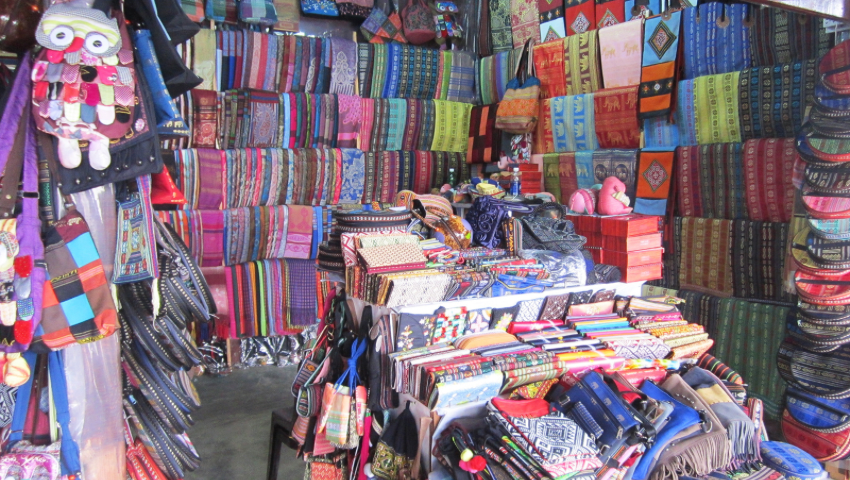
The Reality of “Landa Bazaar” in Late 2025
For decades, “Landa Bazaar” was synonymous with dirt cheap imports. However, the landscape shifted in October 2025 with the introduction of a new government tax of Rs. 200 per kilogram on imported used clothing. The result? Prices have surged.
While you can still find wholesale lots of basic shirts for Rs. 15-100, the retail prices for quality winter gear have jumped. As of December 2025, expect to pay:
- Second-hand shoes: 2,000 to 4,000 PKR.
- Winter coats: Approximately 3,000 PKR.
- Original Branded Leather (Puma, Gap, etc.): 4,000 to 30,000 PKR.
The Practitioner’s Tip: If these street prices feel too steep, compare them against the Best Online Shopping Stores in Pakistan. Sometimes, local sales on new items might actually beat the inflated “used” prices in the current market.
Landa Bazaar, Lahore
Despite the price hikes, the main Landa Bazaar in Lahore remains fully operational and packed. As of late December 2025, the PERA Force (Punjab Enforcement and Regulatory Authority) has been active in clearing encroachments, making the market slightly easier to navigate on foot.
This is still the primary destination for winter clothing, but bring your negotiation A game. The vendors know the value of their stock, and the days of casual bargaining are tougher than before.
Correction: Khan Centre, Multan (Not a Flea Market)
Many older travel blogs will tell you to visit Khan Centre at 82 Abdali Road for flea market finds. Do not make this mistake.
We verified the site in November 2025: Khan Centre is now primarily a corporate and educational plaza. It houses the Air University Multan Campus on the upper floors and financial services like the ZeeQue Exchange Company on the lower ground. While it is a vital commercial hub for the city, you will not find vintage clothes or antique stalls here. Save your rickshaw fare.
Kohat Tehsil Gate (Kohat City)
There is significant confusion online placing this market in Peshawar. Let’s set the record straight: The historic Tehsil Gate anchors the Main Bazaar in Kohat City, Khyber Pakhtunkhwa.
What you will actually find: Ignore the internet rumors about “Eames chairs” or “sound effects.” This is a traditional market. In late 2025, the real inventory consists of:
- Agricultural produce: Kohat is famous for its guavas.
- Traditional fabrics: Hand woven centerpieces and local textiles.
- General Landa items: Standard second-hand goods, but not high-end designer furniture.
Ander Sher Bazaar & Bazaar Kalan (Peshawar)
If you are looking for serious antiques and jewelry, you need to be in Peshawar, not Multan (as frequently misreported). Two specific spots stand out:
Ander Sher Bazaar (Jewelry)
Located in the heart of Peshawar, this is where you find the Abbas Jewellery House (Shop 53-Ali Market, Dhaki Dalgran). Verified as an active member of the Sarhad Chamber of Commerce for the 2024-2026 term, this is a legitimate spot for traditional craftsmanship.
Bazaar Kalan (Antiques)
Near the Cunningham Clock Tower (Ghanta Ghar), you will find Amin Tajik’s antique shop. Amin is a second generation dealer whose family history stretches back to Ghazni. This is the authentic spot for brassware and historical artifacts that often get misattributed to other cities.
Anarkali Bazaar, Lahore
With a history spanning over 200 years, Anarkali remains the cultural heavyweight of Lahore. While it was listed on the World Monuments Watch in 2020 to highlight preservation needs, it is not on the 2025 list, as conservation efforts like the Heritage Trail project have kicked in.
Is it safe? Yes. As of December 2025, travel reports confirm Anarkali is safe for international tourists. It is crowded and chaotic, but standard big city precautions apply. It is divided into two distinct vibes:
- Old Anarkali: Go here for the food.
- New Anarkali: Go here for handicrafts, embroidery, and textiles.
The Raja Bazaar, Rawalpindi
If you are planning to drive to Raja Bazaar in 2026: Don’t.
In a major urban shift, the main road from Fawara Chowk to Hamilton Road was converted into a pedestrian only zone in 2025. While this caused friction with traders, it has changed the dynamic of the market.
The Friday (Juma) Bazaar: This is when the street vendors take over. While the main Sarafa (Gold) market stays closed on Fridays, the pavement sellers are out in full force from 9:30 AM to 8:00 PM. It is the best time to find small household items, used books, and accessories without dodging vehicle traffic.
Final Thoughts: The Trade-Off
Shopping in Pakistan’s flea markets in 2026 is less about “pennies on the dollar” and more about access to unique, cultural inventory that malls simply don’t carry. The prices have risen, and the locations require specific knowledge to navigate, but the experience is still visceral and real.
If you enjoy the chaotic energy of South Asian street commerce, you might also want to explore the 14 Best Flea Markets in India to see how the neighboring trade culture compares.